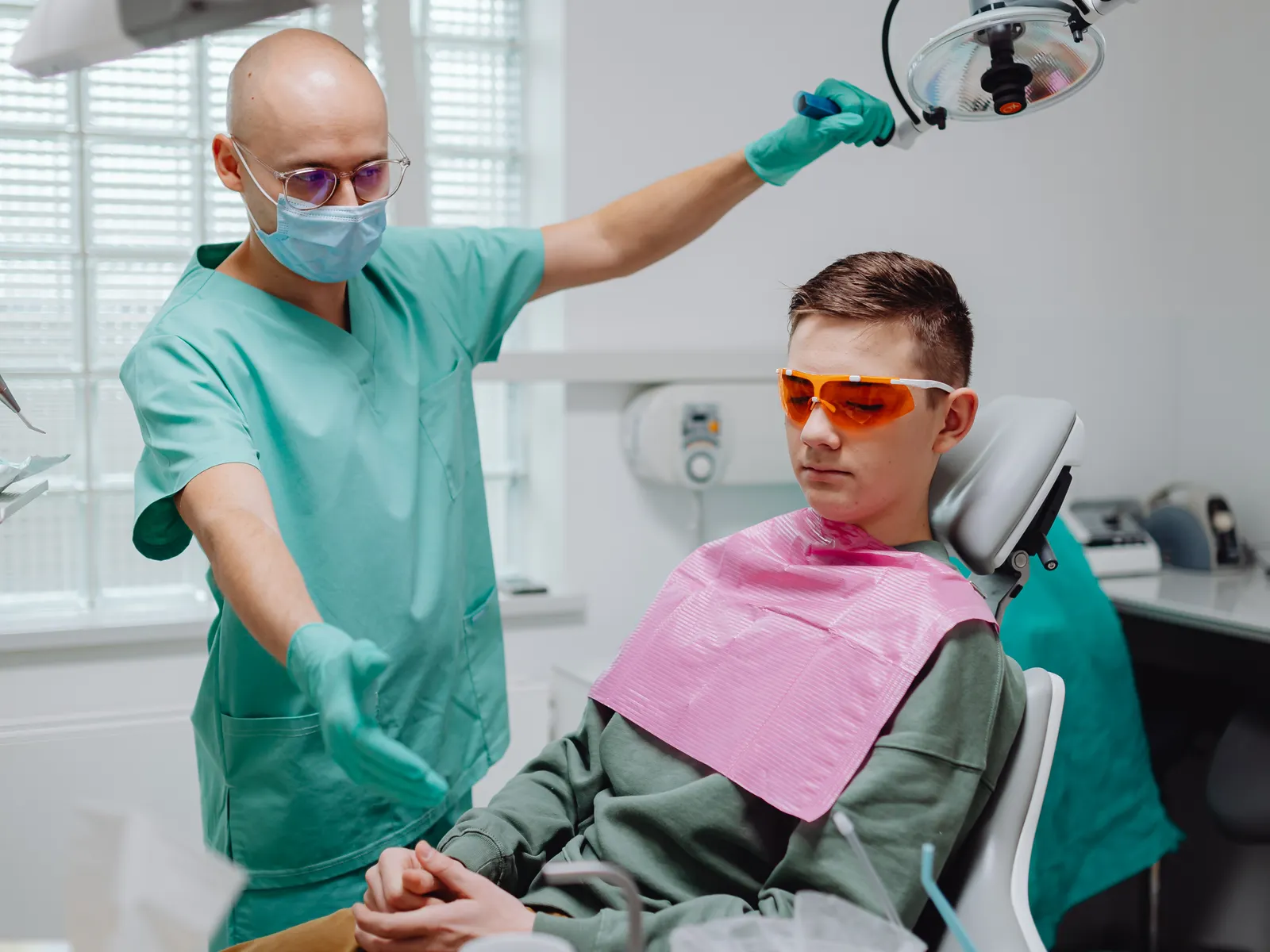
A sudden toothache, a chipped tooth or a tooth knocked out in a fall always seems to happen at the worst time. These are the steps that help most before you reach a dentist, and the signs that mean you should go to a hospital instead.
Key points
- A knocked-out adult tooth has the best chance if it is back in place or in milk and you reach a dentist within about an hour.
- Facial swelling that spreads towards the eye or neck, or trouble breathing or swallowing, needs a hospital emergency department. Call 998.
- Most toothaches can be eased at home for a few hours, but the cause still needs treating.
Dental problems rarely wait for a convenient moment. The good news is that a few calm steps in the first hour can make a real difference, especially when a tooth has been knocked out. Here is what we tell patients who message us late in the evening.
First, is this a dental emergency or a medical one?
Most dental emergencies can be handled by a dentist. A few situations are more serious and should go straight to a hospital emergency department:
- Swelling of the face or jaw that is spreading quickly, especially towards the eye or down the neck
- Difficulty breathing, swallowing or fully opening your mouth
- Fever with a swollen face and feeling generally unwell
- Heavy bleeding that does not slow after 15 to 20 minutes of firm pressure
- A blow to the face with a possible broken jaw, loss of consciousness, vomiting or confusion
In the UAE, 998 is the number for ambulance services. If someone is struggling to breathe or swallow, do not wait to see a dentist.
A tooth has been knocked out
This is the one dental emergency where minutes matter. An adult (permanent) tooth that is put back quickly has a much better chance of surviving.
- Pick the tooth up by the crown, the white part you normally see. Avoid touching the root.
- If it is dirty, rinse it briefly in milk or with a little clean water for a few seconds. Do not scrub it or wrap it in tissue.
- If you can, gently push it back into its socket the right way round and bite softly on a clean cloth to hold it.
- If you cannot put it back, keep it in a small cup of milk, or inside the cheek of the person if they are old enough not to swallow it.
- Get to a dentist as quickly as you can, ideally within an hour.
Do not try to put a knocked-out baby tooth back in. It can damage the adult tooth growing underneath. Keep your child calm, press a clean cloth on the gum and have a dentist check the area.
Severe toothache
Toothache usually means the nerve inside a tooth is irritated or infected, or that a piece of food is stuck somewhere it should not be. While you arrange an appointment:
- Rinse with warm salt water (half a teaspoon of salt in a glass of warm water).
- Floss gently around the sore tooth in case something is trapped.
- Take an over-the-counter painkiller you normally tolerate, following the dose on the pack.
- Use a cold compress on the cheek for 15 minutes at a time if there is swelling.
- Do not put aspirin or clove oil directly on the gum. It can burn the soft tissue.
Pain that wakes you up, throbs, or lingers after hot or cold drinks often points to a problem with the nerve. That may need a root canal treatment or, if the tooth cannot be saved, a careful extraction. Painkillers can hide the problem for a while, but they do not fix it.
A chipped or broken tooth
Keep any pieces you find in a clean container, rinse your mouth with warm water and cover sharp edges with sugar-free chewing gum or orthodontic wax if they are catching your tongue. A small chip is rarely urgent and can often be repaired with tooth-coloured bonding. A large break, a tooth that has turned pink, or one that hurts a lot should be seen the same day.
A lost filling or crown
Keep the crown safe and avoid chewing on that side. Pharmacies sell temporary dental cement that can hold a crown in place for a day or two. Never use household glue. Bring the crown with you, as it can often be cleaned and fitted again.
Swelling or a pimple on the gum
A small bump on the gum that leaks a salty taste is often a sign of an abscess, an infection at the root of a tooth. It needs a dentist, even if the pain has eased. Antibiotics alone do not remove the source of the infection. If the swelling spreads into your face, go back to the hospital checklist above.
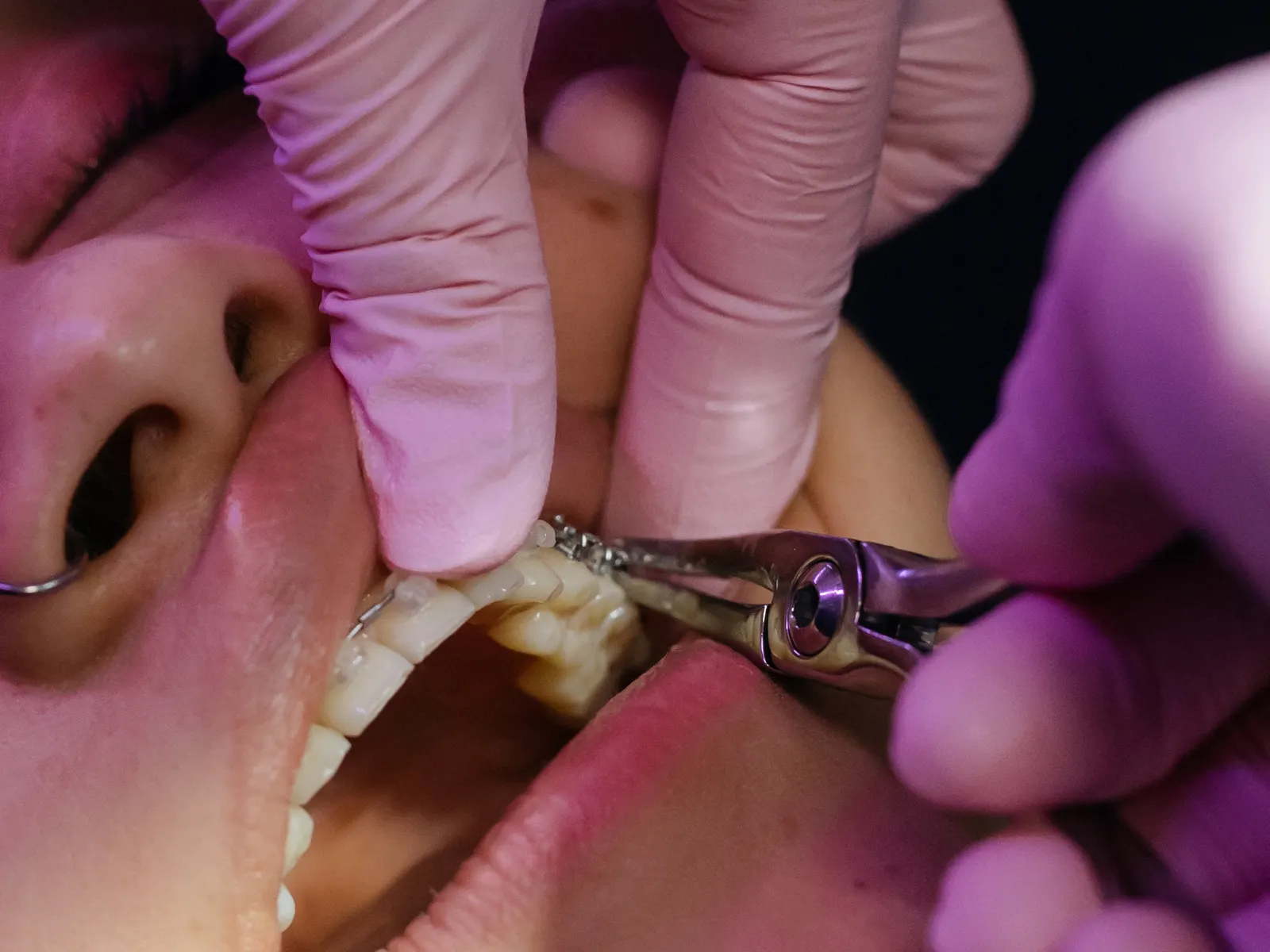
Broken braces or a poking wire
Push a poking wire flat with the eraser end of a pencil, or cover it with orthodontic wax. If a bracket comes loose, leave it in place and message your dentist. It is uncomfortable rather than urgent.
Can I see a dentist in Sharjah late at night?
Many dental problems start in the evening, when it is hardest to get help. Our clinic in Al Mahatta, Al Qasimiah is open every day until 11 PM, including Fridays from 1 PM. Send us a WhatsApp message with a short description and, if you can, a photo, and we will tell you how soon we can see you. If we are closed and the situation matches the hospital list above, go to the nearest emergency department.
How to lower the chance of an emergency
- Wear a mouthguard for contact sports and cycling.
- Do not use your teeth to open bottles or packets.
- Have small cavities and cracked fillings treated before they become painful.
- Keep up regular dental checkups, where many problems are caught early.
This article is general information, not a diagnosis. Every mouth is different, so please see a dentist for advice about your own teeth.