Whitening can make a real difference to how your smile looks, but results depend on the type of staining and on what is already in your mouth. Here is an honest guide to the options, the side effects and keeping your results.
Key points
- Whitening works on natural teeth only. Crowns, veneers and fillings stay the same colour.
- Temporary sensitivity is the most common side effect and usually settles within a few days.
- Results can last from several months to a few years, depending largely on coffee, tea and smoking.
A brighter smile is one of the most common reasons people visit a cosmetic dentist. Whitening is safe and effective for most people when it is done properly, but it is not right for everyone, and a few popular shortcuts can do more harm than good.
How does teeth whitening work?
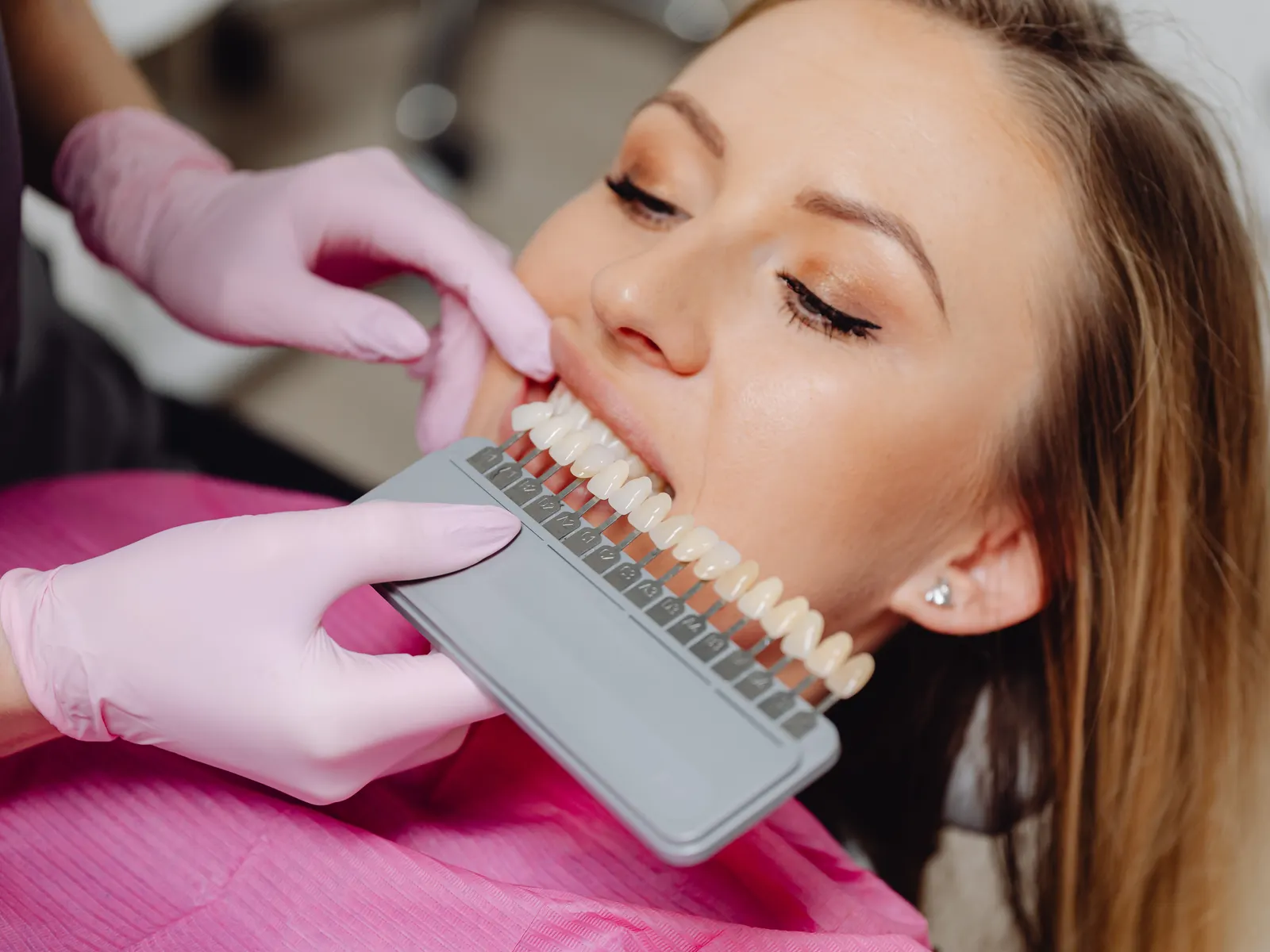
Professional whitening uses a peroxide-based gel. The active ingredient breaks down the coloured molecules inside the tooth enamel and the layer beneath it, so the tooth itself looks lighter. It does not remove enamel or bleach the surface like paint.
This is different from a polish during a professional cleaning, which removes surface stains from tea, coffee and smoking. Many people are surprised how much brighter their teeth look after a cleaning alone, so we often suggest one first.
The main whitening options
| Option | How it works | Good to know |
|---|---|---|
| In-clinic whitening | A stronger gel applied by the dentist while your gums are protected | Fastest visible change, done under supervision |
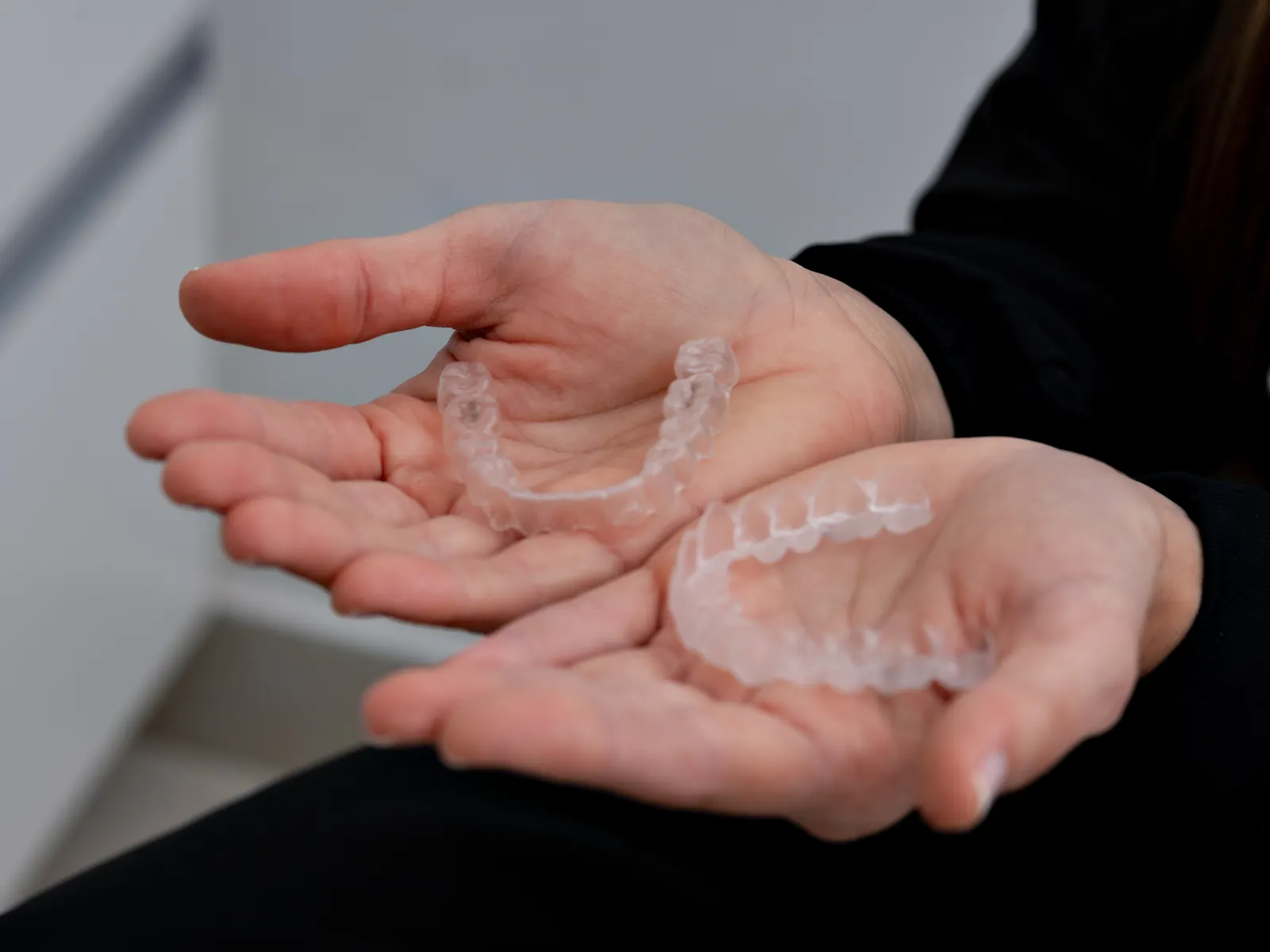
| Dentist-supervised home kit | Custom trays and a milder gel worn at home for a set period | Gradual results, often very even |
| Shop-bought strips and pastes | Low-strength gels or abrasive pastes | Modest effect; follow the instructions closely |
Who is whitening suitable for?
Whitening works best on yellowish natural teeth. Greyish staining from certain medicines or from a tooth that has had trauma responds less predictably. Before whitening, we check for:
- Cavities or cracks, which should be treated first
- Gum inflammation, which can make whitening uncomfortable
- Crowns, veneers or fillings on front teeth, which will not change colour
- Worn enamel or exposed roots, which are more likely to be sensitive
If you have tooth-coloured fillings or crowns at the front, they will stay their current shade. Many people whiten first and then match any new fillings or crowns to the lighter colour.
Whitening is not usually recommended during pregnancy or breastfeeding, or for children whose teeth are still developing.
Will it make my teeth sensitive?
Some sensitivity is common, especially in the first day or two. It usually feels like short twinges with cold drinks and fades within a few days of finishing. A sensitivity toothpaste for two weeks beforehand helps, and we can adjust the strength of the gel or the timing if you are prone to it.
Shortcuts to avoid
- Charcoal powders and pastes. They are abrasive and can wear enamel over time without changing the colour inside the tooth.
- Lemon juice, baking soda or vinegar. Acids and harsh abrasives damage enamel, which can make teeth look more yellow in the long run.
- Unsupervised high-strength gels bought online. They can burn the gums and cause severe sensitivity.
- Whitening over untreated decay. Gel reaching a cavity can be very painful.
How long do results last?
Whitening results gradually fade as new stains build up. For many people they last from several months to a couple of years. You can keep them longer by:
- Rinsing with water after coffee, tea, karak or cola
- Using a straw for dark drinks when you can
- Not smoking or using shisha
- Keeping up regular cleanings
- Doing a short top-up with your home trays when the dentist advises
When whitening is not the answer
If a tooth is chipped, misshapen or has deep stains that whitening cannot reach, composite bonding or veneers may be a better choice. For a bigger change, a smile makeover combines several treatments into one plan.
This article is general information, not a diagnosis. Every mouth is different, so please see a dentist for advice about your own teeth.