Both braces and clear aligners straighten teeth well when they are used for the right case. The best choice depends on how your teeth need to move, your age and how much you want to be in control day to day.
Key points
- Braces handle almost every type of tooth movement and do not rely on you remembering to wear them.
- Clear aligners are nearly invisible and removable, but they only work if worn about 20 to 22 hours a day.
- An assessment, sometimes with X-rays, is the only way to know which option suits your bite.
Straightening your teeth can make them easier to clean and change how confident you feel about your smile. Today most people choose between fixed braces and clear aligners. Here is how they compare.
How each one works
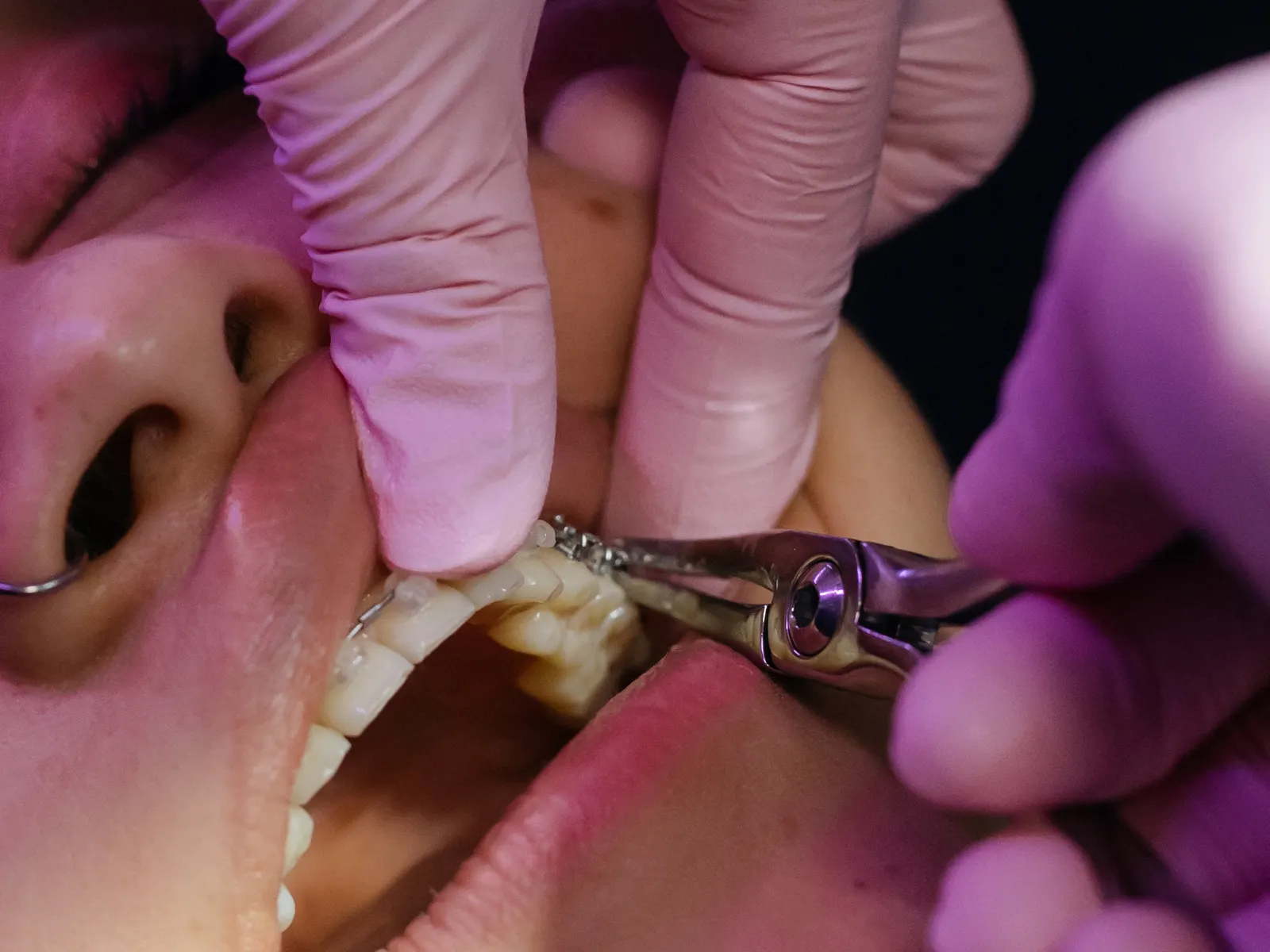
Braces use small brackets bonded to the teeth and a wire that runs between them. The dentist adjusts the wire at regular visits, and the steady pressure moves the teeth into place. They are fixed, so they work around the clock.
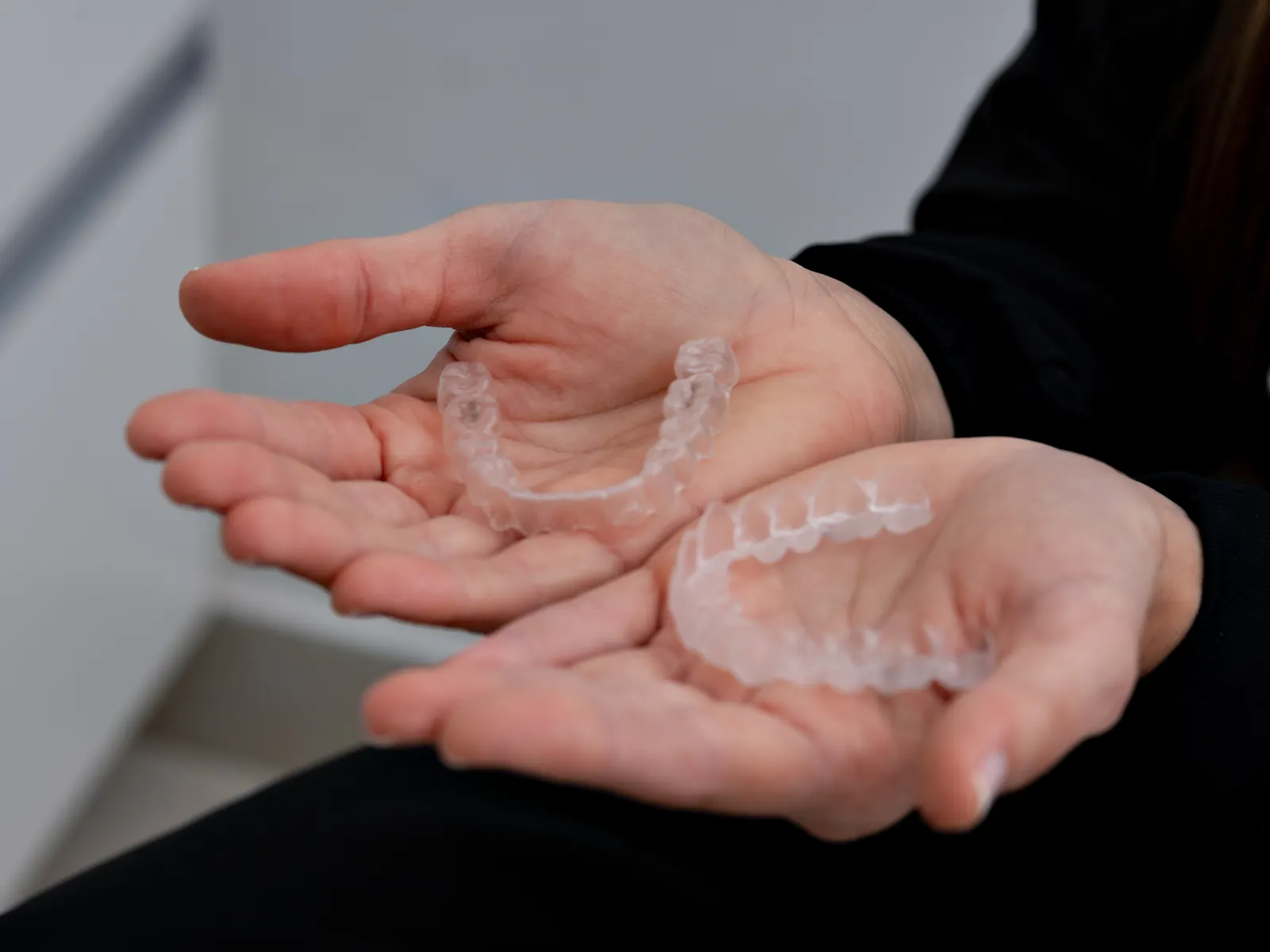
Clear aligners are a series of thin, custom-made plastic trays. Each tray is slightly different from the last, and you change to the next one every week or two as your teeth move. You take them out to eat, drink anything other than water, and brush.
Side by side
| Braces | Clear aligners | |
|---|---|---|
| Appearance | Visible brackets and wire | Nearly invisible |
| Removable | No | Yes, for eating and cleaning |
| Daily effort | Low, they work automatically | High, worn 20 to 22 hours a day |
| Best for | Simple to complex cases | Mild to moderate crowding and gaps |
| Eating | Avoid hard and sticky foods | Remove trays, so no food limits |
| Cleaning | Takes more time around brackets | Brush and floss as normal |
| Visits | Regular adjustments | Progress checks |
When braces may be the better choice
- Severe crowding or teeth that need to rotate a lot
- Bite problems that need bigger movements
- Teenagers who may find it hard to wear trays consistently
- Anyone who would rather not have to think about it every day
When aligners may be the better choice
- Mild to moderate crowding or small gaps
- Teeth that have moved back after earlier braces
- Adults who want a discreet option for work
- People who are disciplined about wearing them and keeping them clean
Aligners only move teeth while they are in your mouth. Leaving them out for long stretches is the most common reason treatment takes longer than planned.
Comfort and day-to-day life
Both options feel tight for a day or two after each adjustment or new tray. Braces can rub the cheeks at first, which orthodontic wax helps with. Aligners tend to feel smoother, but you need to carry a case and brush before putting them back in, so food and sugary drinks are not trapped against your teeth.
After treatment: retainers are for life
Whichever you choose, teeth naturally try to drift back. A retainer, either a thin wire fixed behind the front teeth or a clear tray worn at night, keeps your new smile in place. Plan to wear one long term.
How to choose
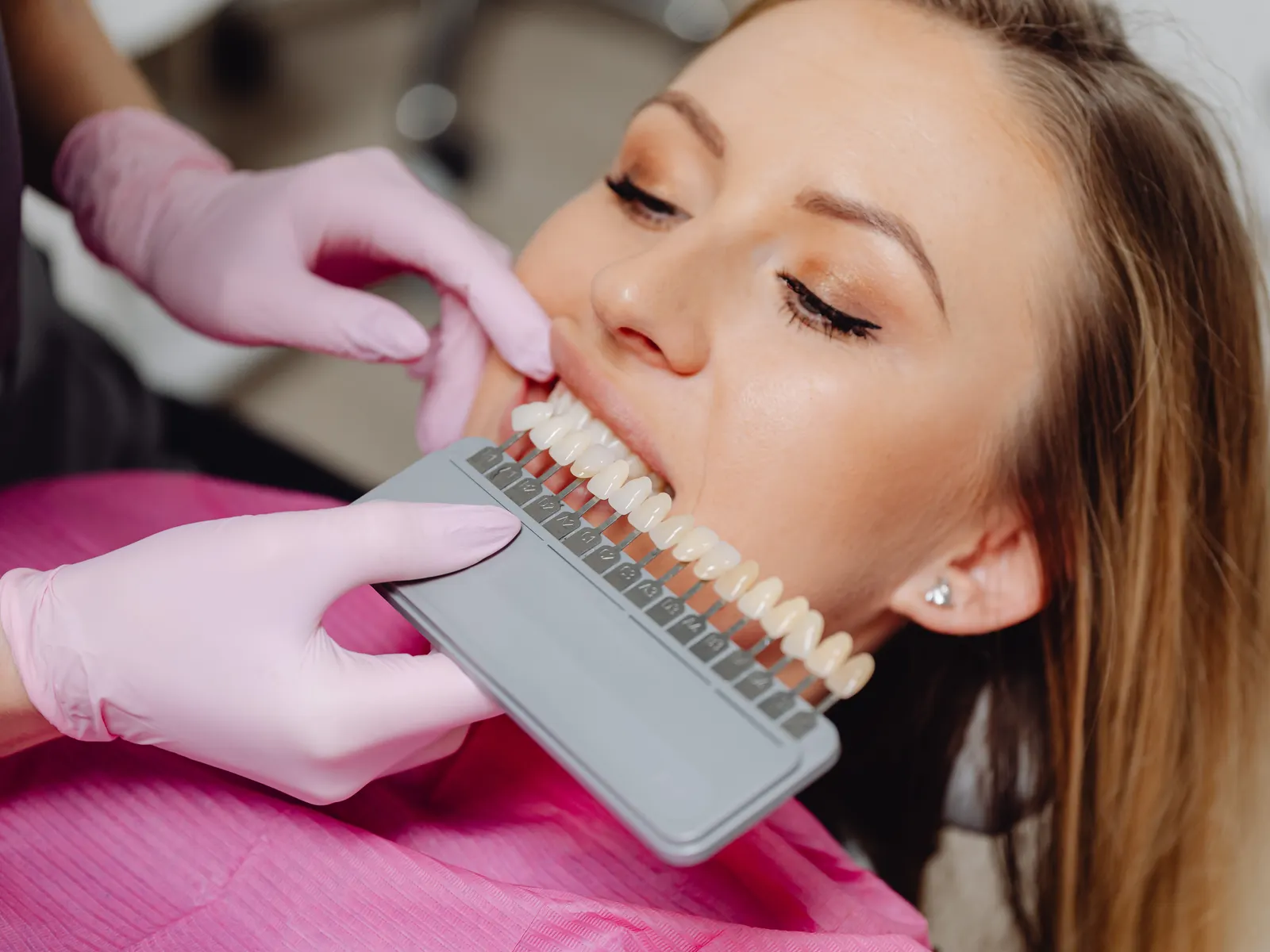
The right choice starts with an assessment. We look at your teeth and bite, take X-rays where needed and explain what each option can realistically achieve for you, including how long it may take. Read more about braces and clear aligners at our clinic, or message us to book an assessment.
This article is general information, not a diagnosis. Every mouth is different, so please see a dentist for advice about your own teeth.