Baby teeth matter more than many parents think. They hold space for adult teeth and help children eat and speak. Here is when to book the first visit and how to make it a good experience.
Key points
- Book the first dental visit by your child’s first birthday, or within six months of the first tooth appearing.
- Use a smear of fluoride toothpaste the size of a grain of rice under age 3, and a pea-sized amount from 3 to 6.
- A short, relaxed first visit builds trust and makes later visits much easier.
Many parents wait until there is a problem before bringing their child to the dentist. Starting early is much better. A first visit is usually short and gentle, and it gives you a chance to ask questions about teething, brushing and diet.
When should the first visit be?
Children’s dental organisations recommend a first visit by the first birthday, or within six months of the first tooth coming through, whichever comes first. If your child is older and has never been, it is not too late. Book a visit soon.
Why baby teeth matter
- They help children chew properly and speak clearly.
- They hold space for the adult teeth growing underneath.
- Decay in baby teeth can cause pain, infection and missed school.
- Good habits started early tend to last into adulthood.
What happens at the first visit
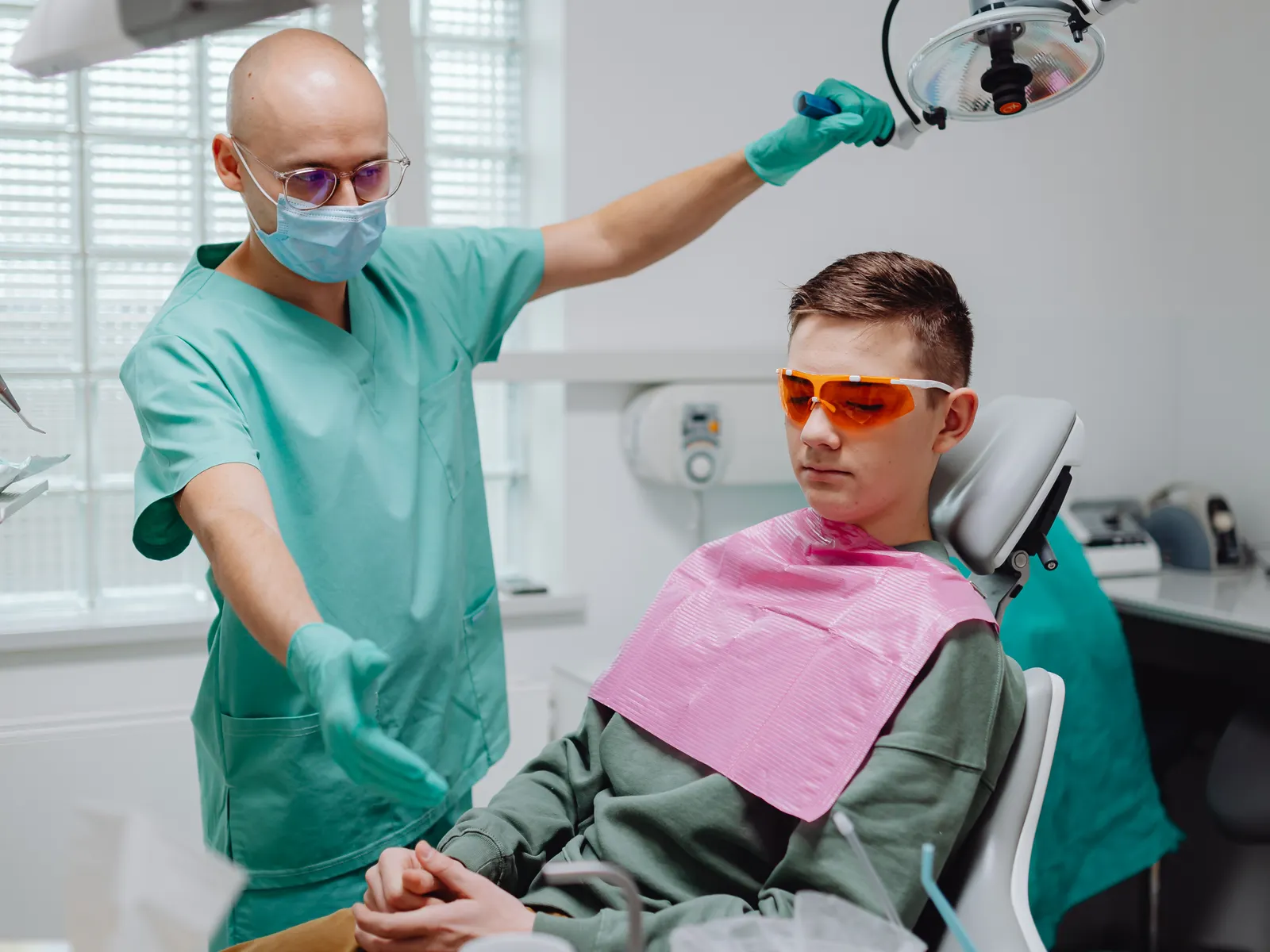
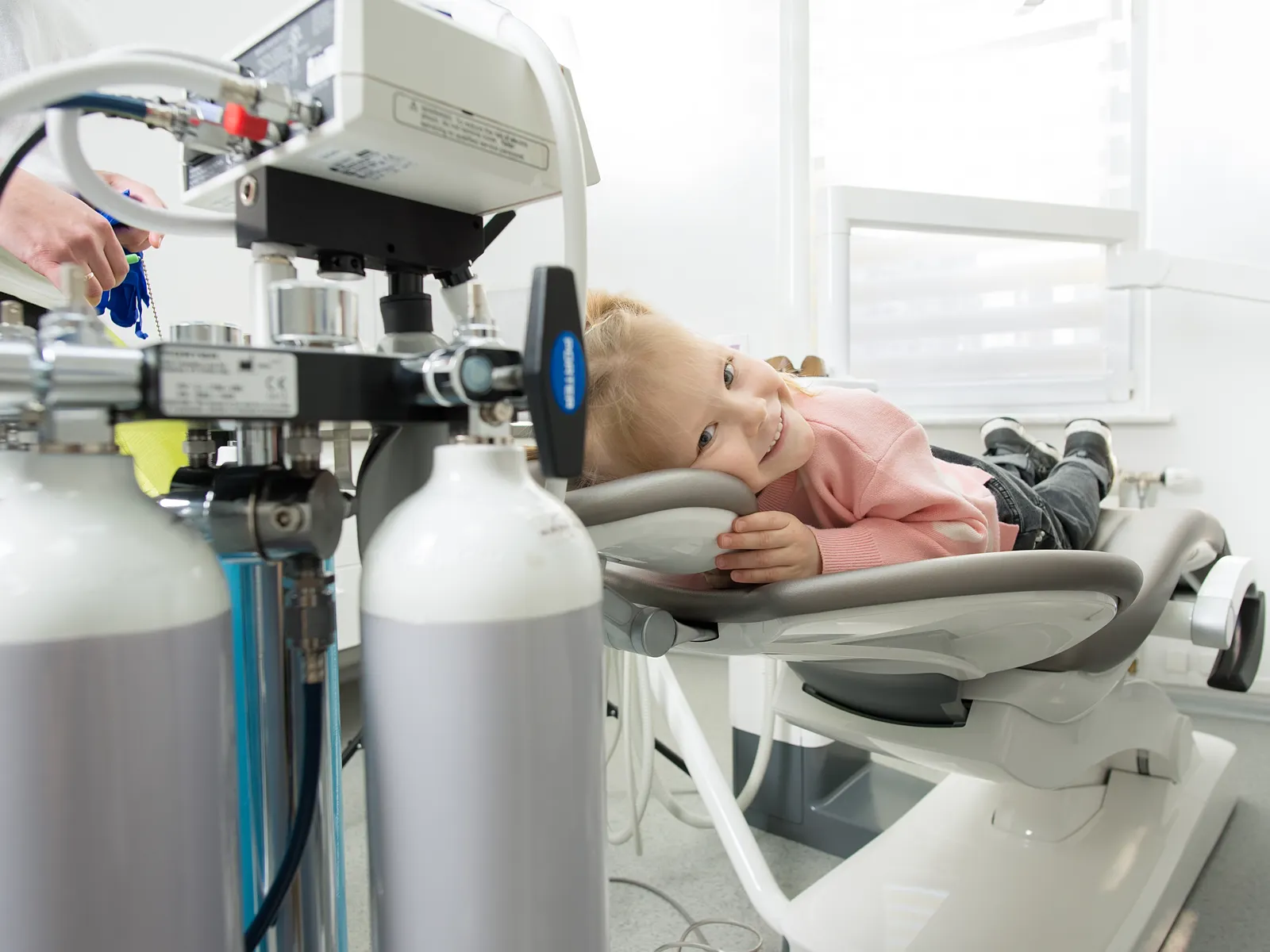
For a young child, the first visit is mostly about getting comfortable. Your child may sit on your lap while the dentist:
- Counts and looks at the teeth and gums.
- Checks for early signs of decay or problems with the bite.
- Shows you the best way to brush your child’s teeth.
- Talks about teething, feeding, dummies and thumb-sucking.
- Answers any questions you have.
How to prepare your child
- Book a time when your child is usually rested, not just before a nap.
- Read a picture book about visiting the dentist together.
- Play pretend dentist at home, counting teeth with a toothbrush.
- Use simple, positive words. Avoid phrases like “it won’t hurt”, which can plant the idea that it might.
- Stay calm yourself. Children pick up on how their parents feel.
That is very common. Try to keep your own worries out of the conversation, and tell us beforehand so we can help make the visit relaxed for both of you.
Daily care for baby teeth
- Wipe a baby’s gums with a soft, clean cloth before teeth appear.
- Brush twice a day as soon as the first tooth comes through.
- Under 3 years: use a smear of fluoride toothpaste about the size of a grain of rice.
- 3 to 6 years: use a pea-sized amount, and encourage your child to spit rather than rinse.
- Help with brushing until your child is about 7 or 8 and can do it well alone.
Food and drink
- Do not put a baby to bed with a bottle of milk or juice.
- Offer water between meals and keep juice and sweets to mealtimes.
- Be careful with sticky snacks such as dried fruit and toffee, which cling to teeth.
- Move from a bottle to a cup at around one year.
How often after that?
Most children need a checkup every 6 to 12 months, depending on their risk of decay. Our dentists will suggest the right interval and can talk to you about fissure sealants and fluoride varnish if they would help. Find out more about kids dentistry at our clinic in Al Qasimiah, Sharjah.
This article is general information, not a diagnosis. Every mouth is different, so please see a dentist for advice about your own teeth.