A little pink in the sink after brushing is easy to ignore. However, bleeding gums are usually your body's early warning sign. The good news is that, caught early, the problem is easy to reverse.
Key points
- The most common cause of bleeding gums is plaque along the gum line, called gingivitis.
- Don't stop brushing. Gentle, thorough cleaning usually stops the bleeding within about two weeks.
- If your gums still bleed after two weeks, or teeth feel loose, see a dentist.
Healthy gums don't bleed when you brush or floss. So if yours do, something is irritating them. In most cases, it's plaque. But there are a few other causes worth knowing about too.
What causes bleeding gums?
The most common cause is gingivitis. This is early gum disease. It happens when plaque, a sticky layer of bacteria, builds up where your teeth meet your gums. The gums become red, swollen and tender, and they bleed easily.
Other common causes include:
- Brushing too hard, or using a hard toothbrush
- Starting to floss after a long break (this usually settles in a week or so)
- Hormone changes during pregnancy
- Smoking, which can hide bleeding while damaging the gums
- Some medicines, such as blood thinners
- Diabetes that isn’t well controlled
What to do at home
It may feel strange, but the answer to bleeding gums is usually more cleaning, not less. Here’s what helps:
- Brush twice a day for two minutes with a soft brush and fluoride toothpaste.
- Angle the brush towards the gum line and use small, gentle circles.
- Clean between your teeth once a day with floss or small interdental brushes.
- Spit out the toothpaste, but don’t rinse it away with water.
- Cut down on sugary snacks between meals.
Most people notice less bleeding within one to two weeks. That’s a sign your gums are healing.
Why brushing alone isn't always enough
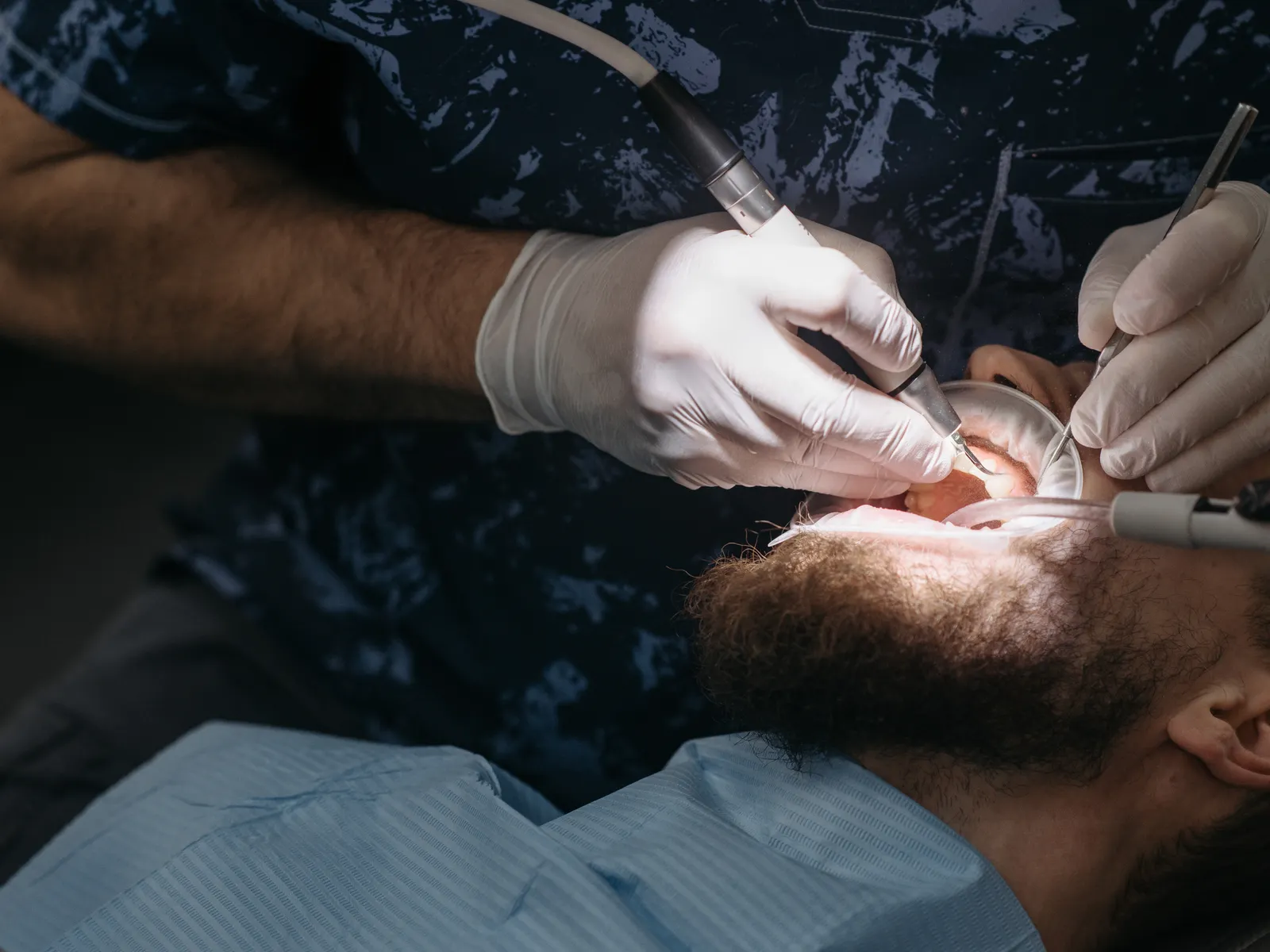
Plaque that stays on teeth hardens into tartar. Unfortunately, no toothbrush can remove tartar, so the gums stay irritated. That’s where a professional teeth cleaning helps. It removes tartar above and just below the gum line, so your gums can settle down.
When bleeding gums need a dentist
Book a visit if you notice any of these:
- Bleeding gums that don’t improve after two weeks of good cleaning
- Gums that look like they are shrinking away from your teeth
- Teeth that feel loose or have moved
- Bad breath or a bad taste that won’t go away
- Pus between your teeth and gums
These can be signs of periodontitis, a deeper gum disease. It can’t always be reversed, but our gum treatment can stop it getting worse and help you keep your teeth.
Hormone changes make gums more likely to bleed during pregnancy. A checkup and cleaning are safe, so let us know and we’ll look after you.
This article is general information, not a diagnosis. Every mouth is different, so please see a dentist for advice about your own teeth.