
Lots of people in Sharjah plan to fix their teeth on their next trip home. Sometimes delaying dental treatment works out. But sometimes a small problem grows while you wait, and the trip home turns into an emergency.
Key points
- Small cavities can grow into infections in a few months, so the treatment and the cost both get bigger.
- Splitting one treatment between two countries can cause problems, especially with root canals and crowns.
- A smart plan fixes urgent problems now and leaves optional treatment for later.
We understand why people wait. Family dentists back home feel familiar, and costs can be lower. So this isn't about telling you what to do. Instead, it's about the risks of delaying dental treatment, so you can make the choice that's right for you.
What happens to a small problem while you wait
Tooth decay doesn’t stand still. A small cavity can reach the nerve within months, especially if you snack often or drink sweet tea and juice. Once that happens, the tooth may need a root canal instead of a simple filling.
Gum problems work the same way. Bleeding gums are easy to treat early. However, if gum disease is left for years, it can loosen teeth for good.
Why teeth can hurt on a flight
Here’s something many people don’t know. Changes in air pressure on a plane can make a damaged tooth hurt. This is more likely with deep cavities, cracked teeth or old fillings that have leaked. As a result, some people land at home with a toothache that started in the air.
The problem with starting treatment in one country and finishing in another
Some treatments take more than one visit. For example, a root canal is often followed by a crown a few weeks later. If you start in Sharjah and finish abroad, or the other way round, a few things can go wrong:
- A temporary filling can break or leak while you travel.
- The second dentist may plan the treatment differently.
- If something fails, it can be hard to know who should fix it.
So if you plan treatment abroad, try to finish each step in one place.
A smarter way to plan: delaying dental treatment safely
If you want to save treatment for your trip, you can still do it safely. Start with a quick checkup here. Then ask your dentist to sort your treatment into three groups:
- Fix now: pain, infection, deep cavities or broken teeth.
- Can wait a few months: small fillings or a cleaning.
- Optional: whitening, veneers or straightening.
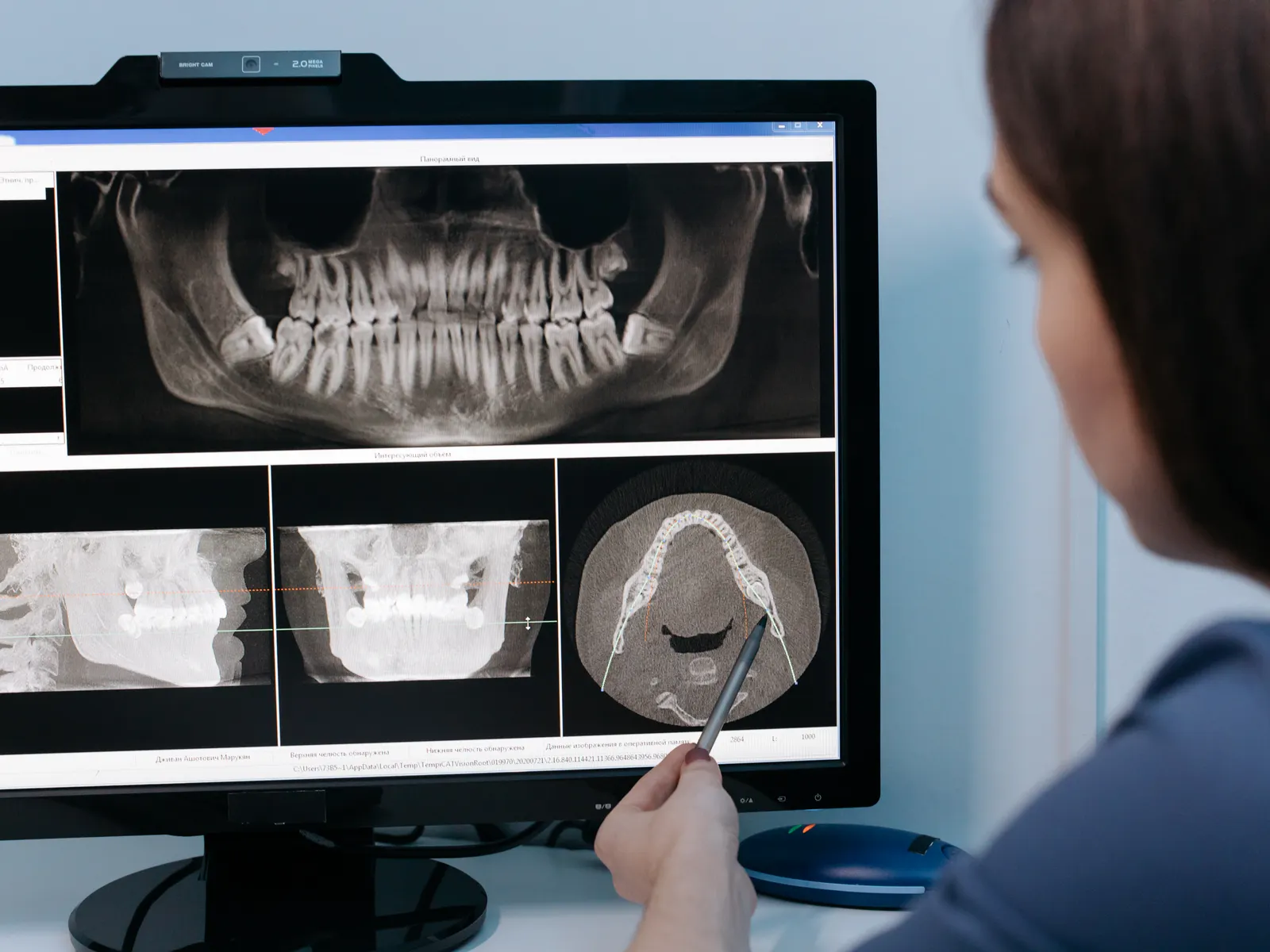
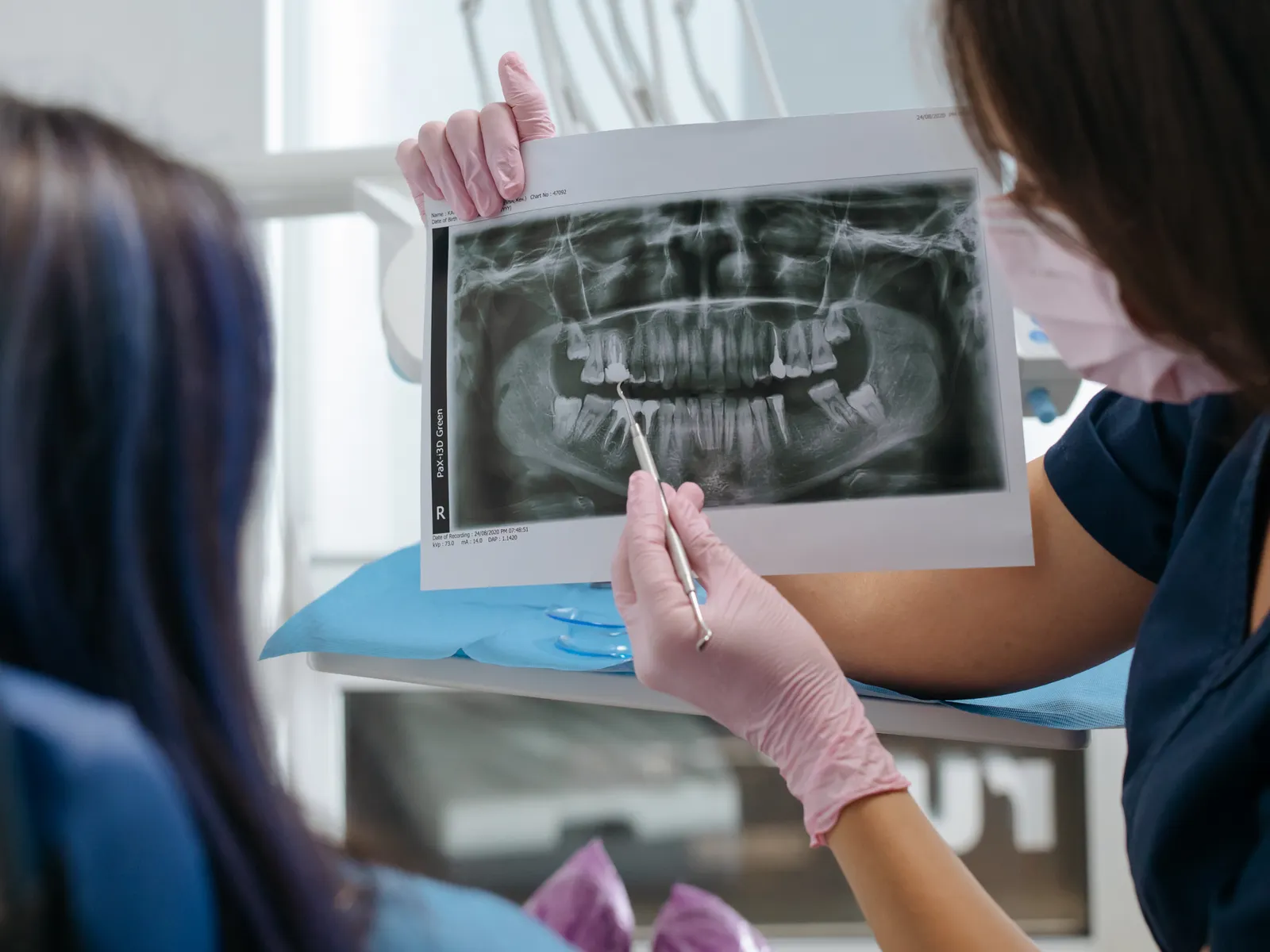
This way, delaying dental treatment won’t put you at risk. Also, ask for copies of your X-rays, so your dentist at home can see exactly what we found.
Signs you shouldn't wait
- Pain that wakes you up at night
- Swelling in your gum or face
- A bad taste or pus near a tooth
- A broken tooth with sharp edges
- Pain when you bite down
If you notice any of these, see a dentist soon. We’re open every day until 11 PM, so you can come after work. Read our guide to dental emergencies for what to do in the meantime.
This article is general information, not a diagnosis. Every mouth is different, so please see a dentist for advice about your own teeth.